
Libri scolastici
Storia di San Marino.
Medioevo / Età moderna e contemporanea / Novecento e tempo presente
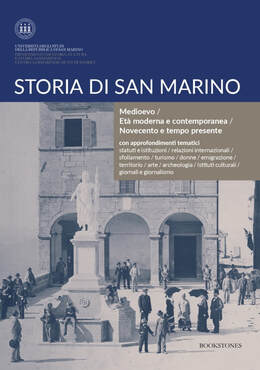
a cura di Luca Gorgolini e Stefano Pivato.
Un manuale di storia sammarinese appositamente pensato per le esigenze didattiche delle scuole medie superiori.
Di fronte a un senso comune, soprattutto giovanile, che tende sempre più a soffrire di amnesie nei confronti della storia, la ricostruzione del passato diventa per l’Università, oltre che un obiettivo di ricerca, una sorta di dovere civico. E questo non soltanto per obbedire al luogo comune più citato dagli storici («il passato serve a capire il presente») ma, soprattutto, perché la coscienza civile di una comunità si forma a contatto con la propria storia.
Il libro è frutto di una collaborazione fra storici di lungo corso e giovani ricercatori che si sono formati nella Scuola superiore di Studi storici dell’Università di San Marino. E questo scambio di testimone fra generazioni e sensibilità differenti si è rivelato particolarmente proficuo per cogliere i vari aspetti di una realtà così particolare come quella della Repubblica di San Marino.
Solitamente, la scrittura di un manuale è opera di un singolo studioso. In questo caso, la scelta è stata differente e la stesura del testo è stata affidata a
quindici autori, le cui diverse formazioni e competenze hanno consentito di cogliere, nell’arco dei secoli, una serie di vicende che si sono sempre più interconnesse fra di loro e la cui indagine poteva essere svolta soltanto da chi coltiva saperi che non sempre sono considerati fra le discipline storiche. Sotto questo profilo, la scelta operata dai curatori ha fatto propria la massima di uno dei padri della storiografia, Marc Bloch, il quale sosteneva che «la storia non ammette autarchia».
La Repubblica nel corso dei secoli ha conservato l’orgoglio che i suoi cittadini espressero al legato papale in Romagna, il quale, salito nel 1294 sul Titano e vistosi opporre un rifiuto al pagamento dei tributi, si rivolse a loro domandando cosa fosse la libertà («Quid est libertas»). E al quesito i sammarinesi risposero che essere liberi significava non essere dipendenti da alcuno («nemini teneri»). Nel tempo, quella ostinata e fiera difesa della propria autonomia ha costituito un filo rosso che ha attraversato e contraddistinto la storia della comunità sammarinese fino a oggi.
Con approfondimenti tematici: statuti e istituzioni / relazioni internazionali / sfollamento / turismo / donne / emigrazione / territorio / arte / archeologia / istituti culturali / giornali e giornalismo.
2022
Pagine 264
Versione cartacea € 15,00
ISBN 979-12-80232-57-1
ACQUISTA
Versione PDF
ACQUISTA
Rassegna stampa
Un manuale di storia sammarinese appositamente pensato per le esigenze didattiche delle scuole medie superiori.
Di fronte a un senso comune, soprattutto giovanile, che tende sempre più a soffrire di amnesie nei confronti della storia, la ricostruzione del passato diventa per l’Università, oltre che un obiettivo di ricerca, una sorta di dovere civico. E questo non soltanto per obbedire al luogo comune più citato dagli storici («il passato serve a capire il presente») ma, soprattutto, perché la coscienza civile di una comunità si forma a contatto con la propria storia.
Il libro è frutto di una collaborazione fra storici di lungo corso e giovani ricercatori che si sono formati nella Scuola superiore di Studi storici dell’Università di San Marino. E questo scambio di testimone fra generazioni e sensibilità differenti si è rivelato particolarmente proficuo per cogliere i vari aspetti di una realtà così particolare come quella della Repubblica di San Marino.
Solitamente, la scrittura di un manuale è opera di un singolo studioso. In questo caso, la scelta è stata differente e la stesura del testo è stata affidata a
quindici autori, le cui diverse formazioni e competenze hanno consentito di cogliere, nell’arco dei secoli, una serie di vicende che si sono sempre più interconnesse fra di loro e la cui indagine poteva essere svolta soltanto da chi coltiva saperi che non sempre sono considerati fra le discipline storiche. Sotto questo profilo, la scelta operata dai curatori ha fatto propria la massima di uno dei padri della storiografia, Marc Bloch, il quale sosteneva che «la storia non ammette autarchia».
La Repubblica nel corso dei secoli ha conservato l’orgoglio che i suoi cittadini espressero al legato papale in Romagna, il quale, salito nel 1294 sul Titano e vistosi opporre un rifiuto al pagamento dei tributi, si rivolse a loro domandando cosa fosse la libertà («Quid est libertas»). E al quesito i sammarinesi risposero che essere liberi significava non essere dipendenti da alcuno («nemini teneri»). Nel tempo, quella ostinata e fiera difesa della propria autonomia ha costituito un filo rosso che ha attraversato e contraddistinto la storia della comunità sammarinese fino a oggi.
Con approfondimenti tematici: statuti e istituzioni / relazioni internazionali / sfollamento / turismo / donne / emigrazione / territorio / arte / archeologia / istituti culturali / giornali e giornalismo.
2022
Pagine 264
Versione cartacea € 15,00
ISBN 979-12-80232-57-1
ACQUISTA
Versione PDF
ACQUISTA
Rassegna stampa

| storia_di_san_marino_scheda_editoriale.pdf |